
 Wildlife
of Sulawesi
Lesser Asiatic Yellow Bat
Verified iNaturalist Mammals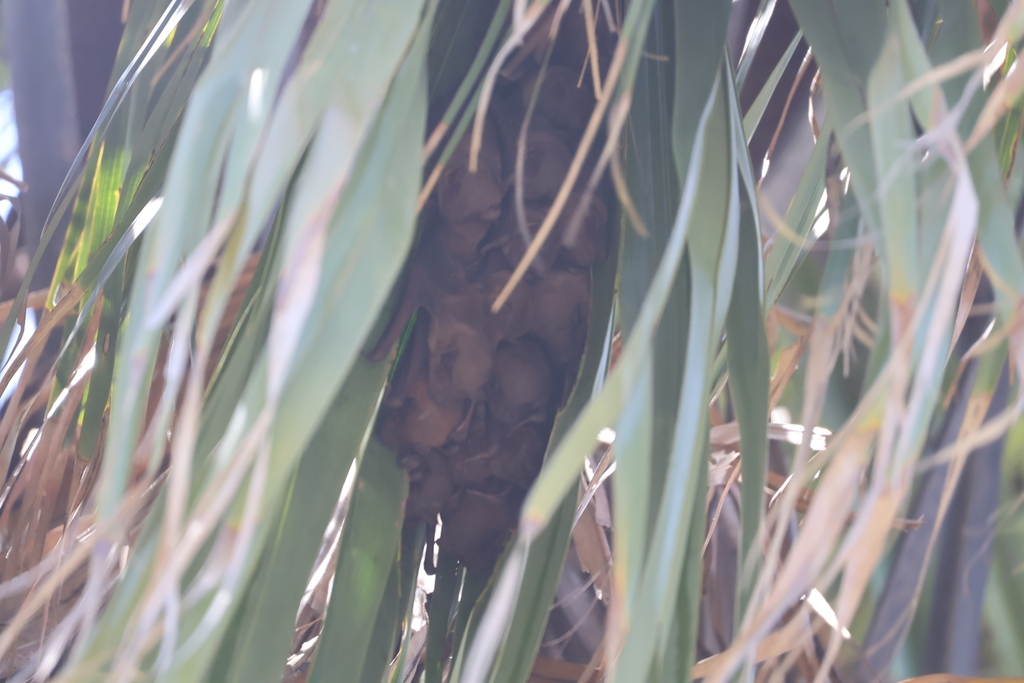
Photo: (c) 張家瑜, some rights reserved (CC BY) · CC BY (May be cropped or resized)
Scotophilus kuhlii
Basic stats
Diet
Flying insects, especially moths and beetles in one Hainan study
Habitat
Towns, villages, forest edges and other open or modified habitats
Range
South and Southeast Asia from Pakistan to Indonesia, the Philippines and Timor-Leste
Litter size
1–2 young
Gestation period
105–115 days
Size
Forearm 44–56.4mm
Weight
Hainan study mean 19.81g
The lesser Asiatic yellow bat is a medium-sized vesper bat whose forearm measures 44–56.4 mm in the account opened. Its upper fur is chestnut or brown and the underside is paler, usually without the stronger yellow wash associated with the larger greater Asiatic yellow bat. Average forearm length provides the most reliable external distinction between the two. A Hainan study of 85 animals recorded a mean forearm of 50.41 mm and mean mass of 19.81 g (Bats of the Indian Subcontinent; Zhu et al. 2012).
This adaptable aerial insectivore uses towns, villages, farms, forest and forest edge. Colonies can occupy caves, hollow trees, palm fronds, roofs and cracks in buildings, sometimes numbering several hundred bats. Research on Hainan found fast flight in open spaces and around tree crowns and street lights; moths and beetles dominated the sampled diet, with bugs and hymenopterans also eaten. Females bear one or two young after a reported gestation of 105–115 days (Bates and Harrison 1997, cited in the species account; Zhu et al. 2012).
Quick answers
- What does the Lesser Asiatic Yellow Bat eat?
- Flying insects, especially moths and beetles in one Hainan study
- What habitat does the Lesser Asiatic Yellow Bat live in?
- Towns, villages, forest edges and other open or modified habitats
- Where is the Lesser Asiatic Yellow Bat found?
- South and Southeast Asia from Pakistan to Indonesia, the Philippines and Timor-Leste
- What is the litter size of the Lesser Asiatic Yellow Bat?
- 1–2 young
- How long is the gestation period of the Lesser Asiatic Yellow Bat?
- 105–115 days
- How big is the Lesser Asiatic Yellow Bat?
- Forearm 44–56.4mm
- How much does the Lesser Asiatic Yellow Bat weigh?
- Hainan study mean 19.81g